A practical, low-risk playbook to start a leather bag brand, even if you are a first-time founder
You do not need a warehouse, a factory or a six-figure budget to start a leather bag brand. You need a clear idea, a small and well-made batch, and a plan to sell it. Fifty pieces is enough to prove that people want what you make, learn what they care about, and fund the next batch from real sales.
This guide shows you how to start a leather bag brand step by step, from choosing what to make to selling your last bag.
1. Why 50 pieces is a smart way to start a leather bag brand
Large first orders are the most common way new brands fail. Hundreds of unsold bags tie up cash, and you discover problems (a weak stitch, a color nobody wants) only after paying for all of them.
A batch of 50 gives you:
- Low financial risk. You can often fund it from savings without outside investment.
- Fast feedback. Fifty bags sell or stall quickly, and either result teaches you something.
- Room to fix mistakes. You can change the design, leather or price on the second batch.
- A manageable workload. You can photograph, pack and ship every order yourself.
2. Define your niche before you design anything
“Leather bags” is too broad. Decide who you are making for and what problem the bag solves.
Ask yourself:
- Who is the buyer? Working professionals, travelers, photographers, students, gift buyers?
- What is the use? Daily commute, weekend travel, carrying a laptop or camera?
- What is the price tier? Affordable everyday, mid-range premium, or luxury?
- What makes you different? Full-grain leather, handmade finishing, a distinctive color range, a sustainable story?
A narrow focus makes marketing far easier. “Handcrafted full-grain leather laptop bags for young professionals” is a brand. “Leather bags” is a category.
3. Keep the range small when you start a leather bag brand
With only 50 pieces, spreading yourself across many categories hurts you. A store with ten categories and one bag in each looks half-empty and is hard to market.
A sensible split for a first batch:
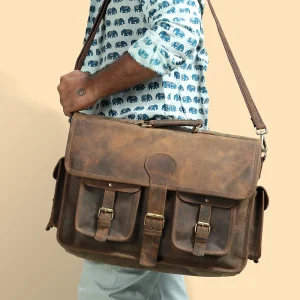
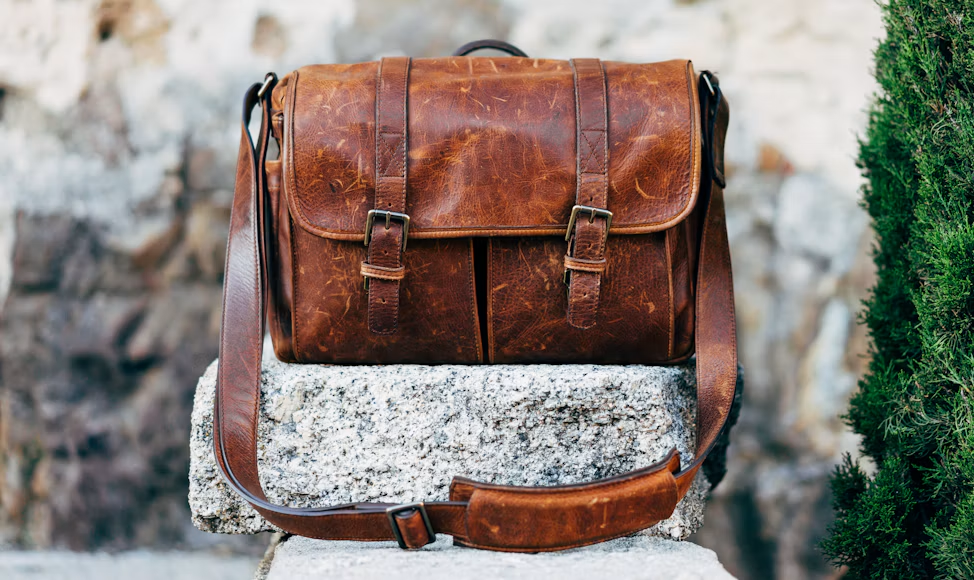
- 2 or 3 core designs, such as a messenger or laptop bag, a duffle or travel bag, and a backpack.
- 2 colors per design, usually a classic tan or brown and one dark option like black or chocolate.
- Quantities weighted to your best guess. For example, 20 / 15 / 15 across three designs, then split by color.
Resist the urge to add wallets, cushion covers, toiletry bags and other accessories on day one. Add them later once the core range sells and you have cash to spare. Small accessories are the easiest way to expand afterwards because they are cheap to make and good for repeat purchases.
5. Work out your costs and pricing
Before ordering, build a simple cost sheet for each design. Include:
- Manufacturing cost per bag
- Leather, lining, hardware and thread (if not included)
- Branding: logo stamp, tags, dust bag
- Packaging and shipping materials
- Photography and website costs
- Marketplace or payment gateway fees
- Shipping, returns and a small allowance for defects
A common rule of thumb is to price at 2.5 to 3 times your landed cost, which leaves room for discounts, marketing and fees. If your numbers only work at a tiny margin, rethink the design, the leather or the target price before you place the order.
Also decide your launch price strategy. A modest introductory offer for early buyers can build momentum, but avoid heavy discounting that trains customers to wait for sales.
12. Common mistakes to avoid when you start a leather bag brand
- Ordering too many designs. Fifty pieces spread across eight styles sells slowly.
- Skipping the sample. Always inspect a finished piece first.
- Under pricing. Cheap leather positioning is hard to escape later.
- Ignoring branding. An unbranded bag is easy to compare only on price.
- Poor photos. Dark or inconsistent images hurt trust more than anything else.
- Over claiming. Calling bonded or split leather “genuine full-grain” invites bad reviews and legal trouble.
- Forgetting cash flow. Keep money aside for marketing and shipping, not just the manufacturing bill.